
How to Remove Wallpaper , The best way to remove wallpaper is to take off both the wallpaper and the underlying adhesive from the wall.
remove wallpaper from a range of surfaces. Get tips for removing wallpaper, including scoring, choosing the right adhesive remover, peeling wallpaper and adhesive off successfully, and more. Once you follow these steps, you’ll be ready to repaint your wall in one of Benjamin Moore’s premium interior paints: Consider Ben Interior, Regal Interior or Aura Interior paints. Ask your local Benjamin Moore retailer which one is right for your distinct project. TESTIMONIALS
Prep Your Space
Start by removing all wall hangings and nearby furniture. Cover the floor with a drop cloth, and tape off any electrical outlets, molding or baseboards. manuelzpaintinghomeimprovementinc.com
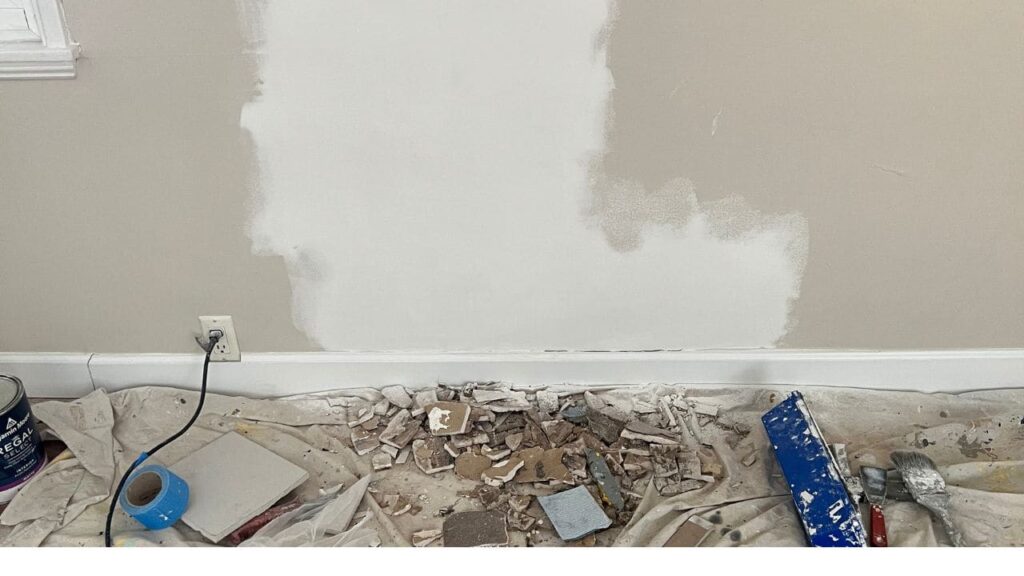
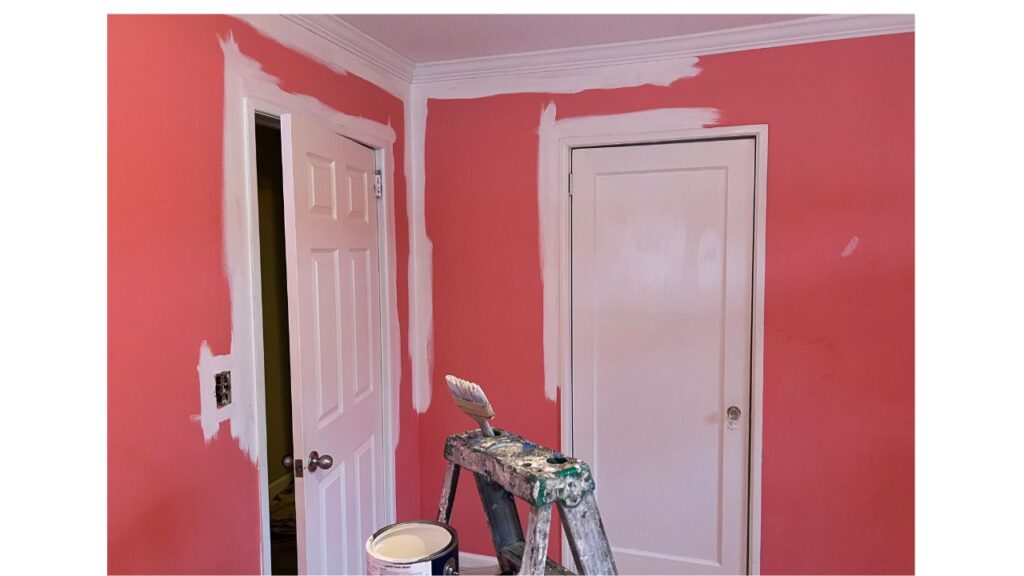
Are you looking for exterior paint vs. stain for your house — how to choose, what’s best for your siding, colors, or how to apply it? Here’s a clear guide to help you decide and get started.
🏡 Exterior Paint vs. Stain — What’s the Difference?
🖌️ Exterior Paint
- Opaque & solid color — hides wood grain.
- Best for: wood, fiber cement (Hardie board), stucco, masonry, metal — basically most exterior surfaces.
- Pros:
- Strong UV protection.
- Wide color choices.
- Great for covering imperfections.
- Cons:
- Peels over time — needs repainting every 7–15 years (depending on climate & prep).
- Requires good surface prep.
🎨 Exterior Stain
- Transparent to semi-transparent — lets grain show.
- Best for: natural wood siding, cedar shakes, log homes, fences, decks.
- Pros:
- Enhances wood grain.
- Penetrates wood — can last long if maintained.
- Fades more naturally than peeling paint.
- Cons:
- Less dramatic color options.
- Doesn’t cover flaws like paint does.
🧰 Choosing the Right Finish
Here’s how to choose based on your home:
| Surface Type | Best Option |
|---|---|
| Wood siding (cedar, pine) | Stain (semi-transparent or solid stain) |
| Fiber-cement board | Paint |
| Stucco | Paint |
| Brick | Paint (or clear masonry stain) |
| Log home | Stain |
Note: “Solid stain” behaves much more like paint — opaque and protective — but with some advantages of stain.
🎨 Color & Style Tips
- Match your home style: Traditional homes often look great in muted, classic colors; modern homes can go bold.
- Consider trim contrast: A lighter trim color against a darker body adds depth.
- Test first: Buy sample cans and paint/stain boards to see color in sun & shade.
🪛 Prep & Application Basics
Good prep = long-lasting finish:
- Clean the surface: Remove dirt, mildew, chalking (pressure-wash or scrub).
- Repair damage: Replace rotten wood, caulk gaps.
- Prime (for paint): Use a quality exterior primer for bare wood/repairs.
- Apply in proper conditions:
- Avoid direct hot sun and temperatures below ~50°F (10°C).
- Follow manufacturer’s dry-time directions.
- Tools: Brushes for edges, rollers for large panels, sprayer for speed (back-roll/scrub to ensure adhesion).
🧴 Maintenance
- Paint: Touch up every few years; expect a full repaint every decade or so depending on sun & weather.
- Stain: Re-apply when wood starts to look dry, faded, or water no longer beads on surface — typically 2–5 years for transparent/semi stains.
🏘️ Quick Recommendations (General)
- Neutral, timeless paint: Soft gray, cream, deep charcoal.
- Semi-transparent stain for wood: Natural cedar tones or subtle tints.
- Solid stain: If you want a painted look with easier maintenance on wood.
If you want more specific recommendations,
- Your siding material (wood, fiber cement, brick, etc.)
- Color preferences
- Climate (sunny, humid, cold)
- Budget/timeframe for the project