Spackle vs. Joint Compound: What’s the Difference?
Wait a second — spackle and joint compound aren’t the same thing? Though they seem similar, spackle and joint compound serve completely different purposes. Find out which one is right for your project.
Plaster & Skim Coats Compound
Achieving professional results as a DIYer often comes down to choosing the right product for your project. Choosing spackle vs joint compound may seem inconsequential, as these two terms are often used interchangeably,
but each choice will yield different results related to consistency, dry time, project size, application and more. While both spackle and joint compound are used to repair and Patch walls and ceilings, they aren’t exactly the same thing. TESTIMONIALS
Below, we’ve outlined the main difference between spackle and joint compound to help you choose the right one for your home improvement project.
What Is Spackle?
Spackle, sometimes called “spackling,” is a product made of gypsum powder combined with
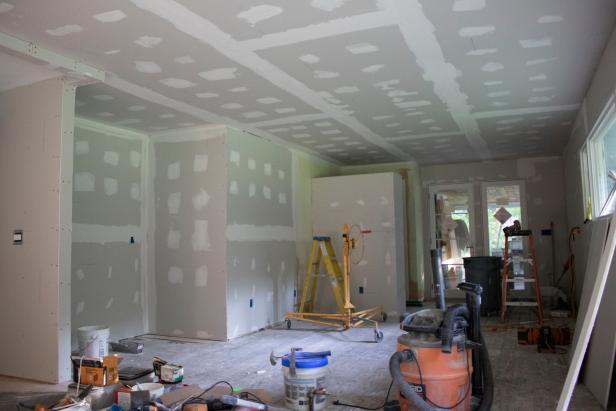
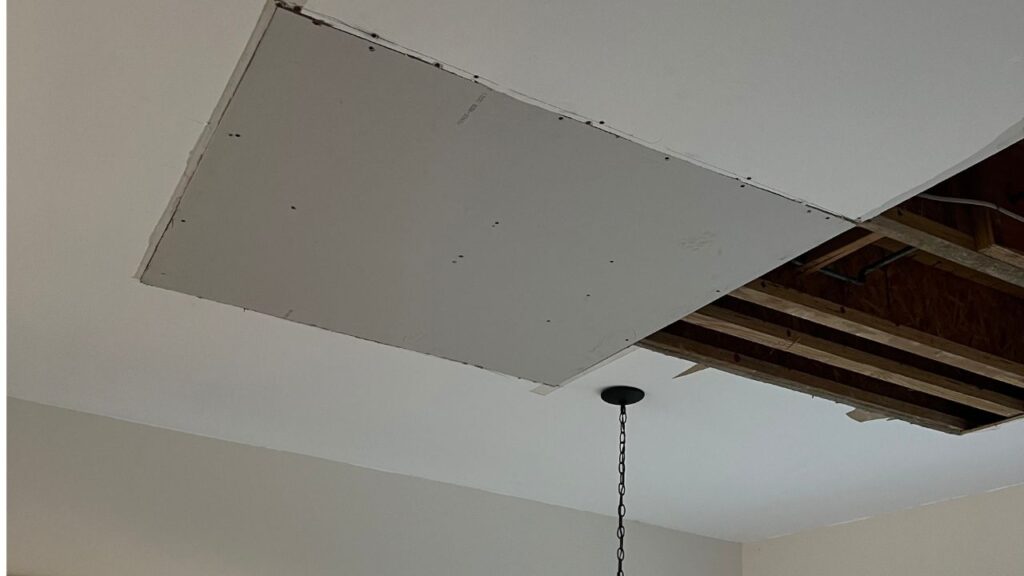
Reach for spackle whenever you need to fill small imperfections in drywall or plaster walls or cover up damage or holes left by nails and screws. Spackle’s fast dry time allows you to sand and paint within 30 minutes, though the time will increase with the size of the imperfection filled.
Spackle’s formulation, including its binding agents, makes it more elastic than joint compound,
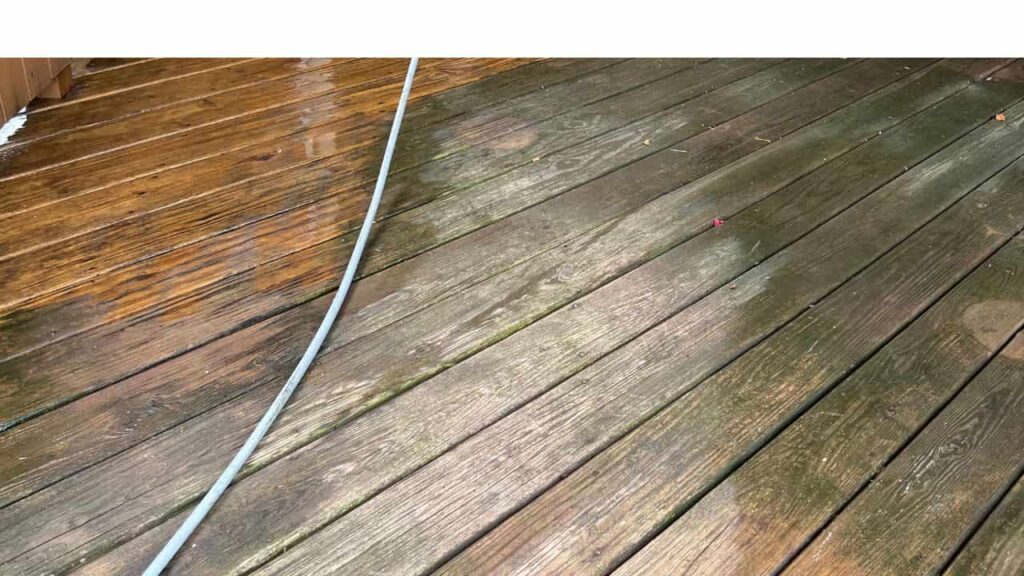
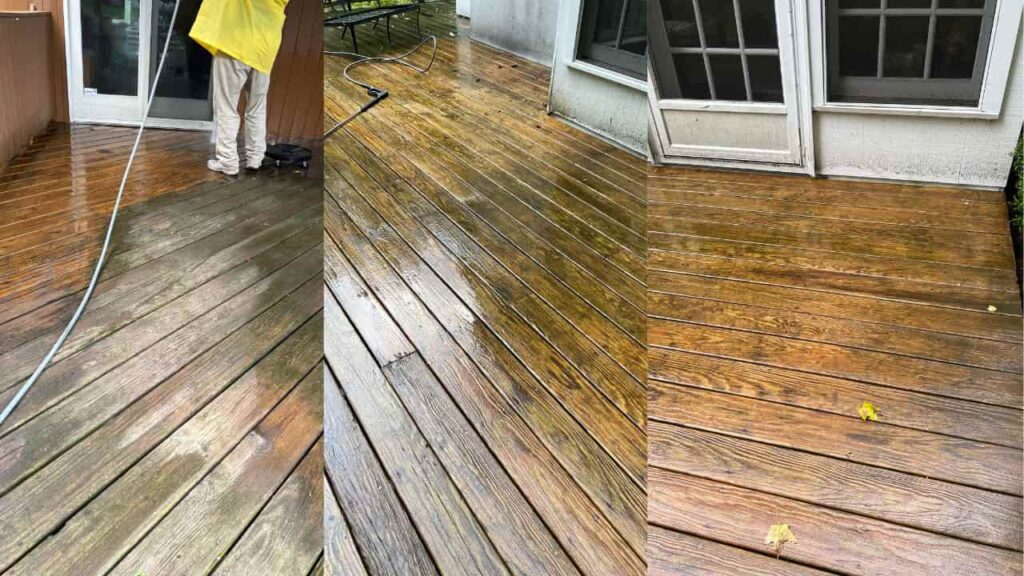
Natural Cedar Restoration (Deck, Siding, Fence)
Here’s a professional, step-by-step process to restore cedar and bring back its natural color while protecting the wood long-term.
1. Inspection & Prep
- Check for rot, loose boards, popped nails, splinters
- Replace damaged cedar before cleaning
- Protect plants, windows, and nearby surfaces
2. Cleaning (Key Step)
Goal: Remove dirt, mildew, old stain, and gray oxidation
Best method
- Use a cedar-safe wood cleaner or stripper (oxygenated or sodium percarbonate)
- Apply with pump sprayer
- Let dwell 10–15 minutes (don’t let it dry)
- Light pressure wash
- 500–800 PSI for siding
- 800–1,000 PSI for decks
- Always follow the wood grain
⚠️ Avoid high pressure — it will fuzz and scar cedar
3. Brightening (Restores Natural Color)
- Apply a wood brightener (oxalic acid)
- Neutralizes the cleaner
- Restores warm cedar tone
- Opens pores for better stain absorption
- Rinse thoroughly
4. Drying Time
- Let cedar dry 48–72 hours
- Moisture content should be below 15%
5. Sanding (If Needed)
- Light sanding for:
- Fuzzy wood
- Raised grain
- Heavy weathering
- Use 80–100 grit (don’t over-sand)
6. Natural Finish Protection
For a true natural look, use:
- Clear or Natural-tone penetrating oil
- Semi-transparent cedar oil
- UV inhibitors are a must
Application
- Brush or stain pad (best control)
- Back-brush for even penetration
- One coat usually enough (follow manufacturer)
7. Maintenance Schedule
- Clean yearly
- Re-oil every 12–24 months
- Avoid film-forming stains (they peel on cedar)
Best Products (Professional Grade)
- Cleaners: Restore-A-Deck, Armstrong-Clark, DEFY
- Brighteners: Oxalic acid-based
- Finishes: Penetrating oil, semi-transparent cedar tone