Quality Work Exterior Interior Painting
Protect the Landscape
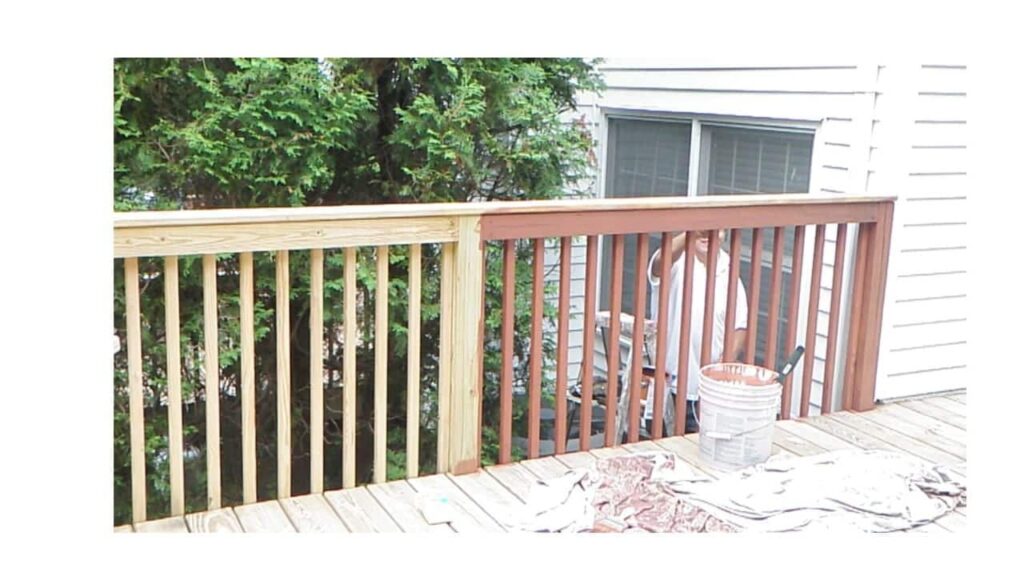
It’s easy to forget how messy painting can be, so be sure to cover the ground, shrubs and any other vegetation below the area you are painting. Also, move or cover up any outdoor furniture, hoses, grills, etc. Use drop cloths and weigh them down on the corners or securely wrap them around the items you are protecting.
Use Primer
The rule of thumb has always been to apply a good coat of primer, sand, then apply paint. This is still a good rule to follow, but new paint technologies have combined primer and paint into one product, which manufacturers assert will cut down on the number of coats you will have to apply. This newer paint is more expensive, but may be comparable to the purchase of primer plus paint. Look at reviews of these newer paints, particularly from folks in your area who have used them.TESTIMONIALS
Paint From Top to Bottom
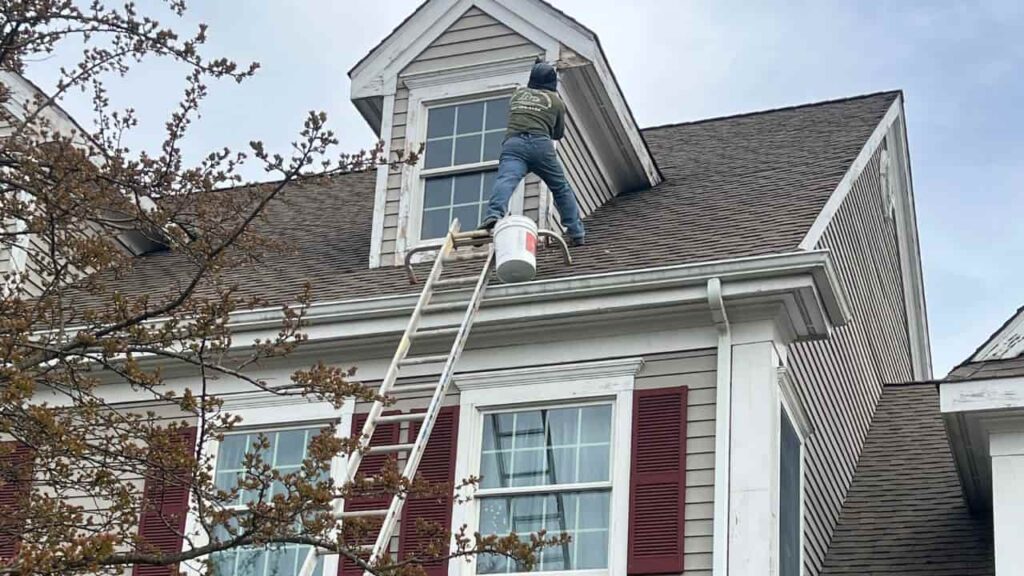
Starting at the top and working your way down while painting helps control streaks, as you will be working with gravity rather than against it. Drips are inevitable, but this method will allow you to feather out mishaps in the direction you are working.westchesterpainter.net
Why choose us, 100% Professional Interior Exterior House Painting
Painting or staining exterior house siding and trim is a great way to refresh your home’s appearance and protect it from the elements. Here’s a step-by-step guide:
Materials You’ll Need
- Exterior paint or stain (high-quality, weather-resistant)
- Primer (if painting bare wood or changing colors)
- Paint sprayer, brushes, and rollers
- Painter’s tape
- Drop cloths
- Ladder or scaffolding
- Pressure washer or hose with scrub brush
- Sandpaper or sanding block
- Caulk and putty (for gaps and cracks)
- Safety gear (gloves, mask, goggles)
Step 1: Prep the Surface
- Clean the siding and trim – Use a pressure washer or a hose with soapy water and a scrub brush to remove dirt, mildew, and grime. Let it dry completely.
- Scrape and sand – Remove loose or peeling paint with a scraper. Sand rough areas for a smooth surface.
- Repair any damage – Fill cracks, holes, and gaps with exterior caulk or wood filler. Allow it to dry.
- Protect surrounding areas – Use painter’s tape and drop cloths to cover windows, doors, and landscaping.
Step 2: Apply Primer (If Needed)
- If painting over bare wood, metal, or changing from a dark to light color, apply a high-quality exterior primer.
- Allow it to dry fully before proceeding.
Step 3: Apply Paint or Stain
For Painting:
- Use a paint sprayer for large areas or a roller for smooth coverage.
- Use a brush for trim and edges.
- Apply at least two coats, allowing drying time between them.
For Staining:
- Use a brush or sprayer to apply an even coat.
- Work in sections to avoid lap marks.
- Apply a second coat if needed for richer color and better protection.
Step 4: Finishing Touches
- Remove painter’s tape carefully.
- Touch up any missed spots.
- Allow paint or stain to cure fully before exposing to heavy moisture.