
Quality Guarantee Interior & Exterior House Painting
Don’t get stressed about your home improvement project, call Manuel Z Painting, and we’ll handle the rest.
Step 1: Pressure-Wash Walls
To ensure best coverage, remove dirt and dust buildup from house using a pressure washer. TIP: Work your way from top to bottom of house in a smooth, controlled manner, overlapping each stroke by 8 inches.TESTIMONIALS
Step 2: Repair Damaged Surfaces
Walk around entire perimeter of house taking note of damaged surfaces such as: wood, masonry, metal, siding or stucco. Apply epoxy filler to cracks or holes using spackle knife. Once dry, lightly sand using medium-grit sanding block.
Step 3: Remove Loose Paint
Once exterior is dry, walk around perimeter of house taking note of any loose or chipped paint. Place drop cloths along ground, then remove chipped and loose paint using paint scraper or medium-grit sanding block.westchesterpainter.net
Here’s a clear, professional explanation you can use for your customers — or as a guide for doing the work:
Interior Drywall & Ceiling Pre-Paint Preparation
1. Protection & Setup
- Cover floors with drop cloths or plastic.
- Protect furniture or move it out of the room.
- Seal vents/light fixtures if needed to prevent dust spread.
2. Drywall Preparation
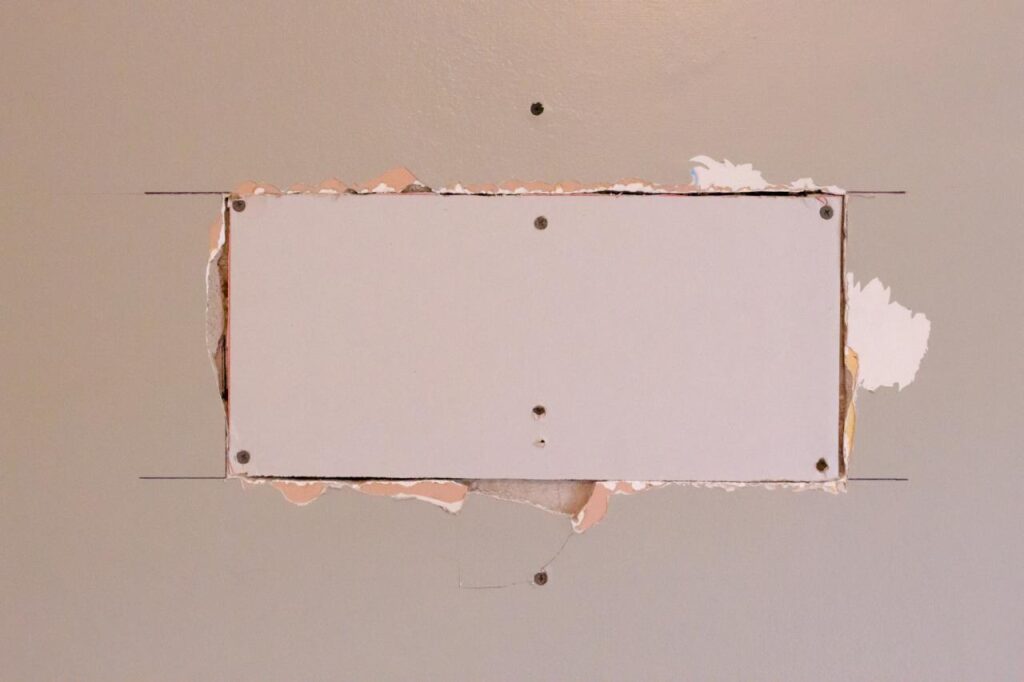
- Inspect for damage: holes, dents, nail pops, cracks.
- Repair:
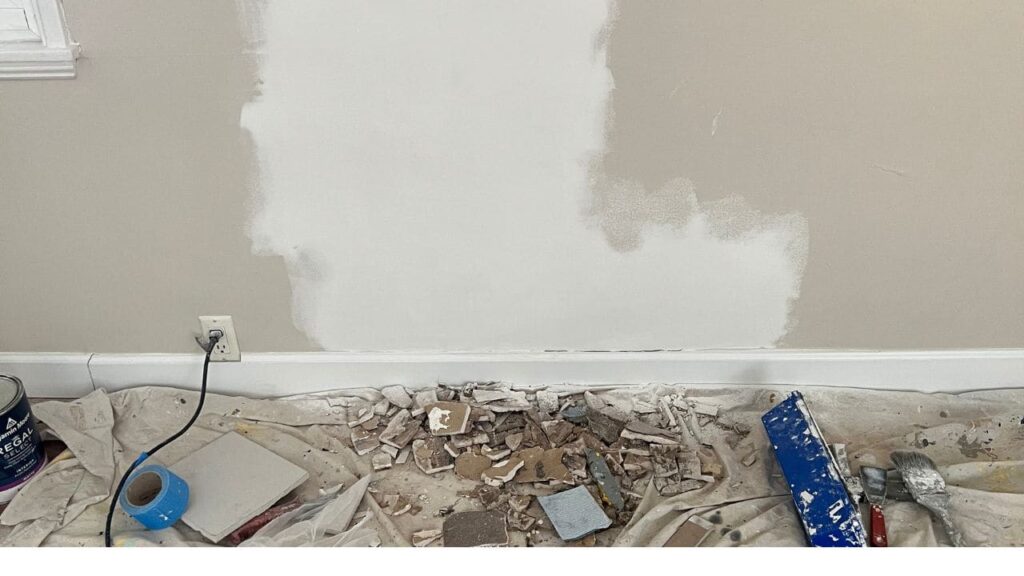
- Patch holes with joint compound.
- Fix nail pops by re-screwing and covering with mud.
- Tape and mud cracks.
- Feather and smooth: apply 2–3 coats of compound as needed.
- Sanding:
- Sand patches smooth and flush with the wall.
- Use pole sander or vacuum sander to reduce dust.
- Dust removal: wipe or vacuum walls to remove fine dust.
3. Ceiling Preparation
- Repair cracks, stains, or texture issues.
- Sand lightly where needed.
- Prime over water stains or repairs with stain-blocking primer.
4. Priming
- Prime all repaired areas or entire walls for best results.
- Use drywall primer or high-hide primer for new construction.
- Priming ensures paint adheres evenly and avoids flashing.
5. Caulking & Final Touches
- Caulk gaps at trim, corners, and baseboards.
- Check for rough spots or imperfections and fix before painting.
- Ensure the room is clean, dust-free, and ready for finish coats.
6. Ready for Paint
- Apply ceiling paint first.
- Then cut in and roll walls.
- Maintain a clean jobsite throughout for a neat, professional finish.
If you want, I can also create:
✅ a checklist
✅ a short version for advertising
or
✅ a step-by-step guide for your crew