
How to Seal a Deck
Keep your wood deck looking beautiful by applying a fresh coat of deck sealer every year or two.
if you’ve opted for a clear or lightly tinted deck sealer to keep the grain of your wood deck showing through, good for you. Few surfaces can compete with the natural beauty of wood.
But your good intentions come with a DIY challenge: wood decks require vigilant maintenance to maintain their natural good looks, and you’ll have to refinish and seal your deck on a regular basis to keep it beautiful and splinter-free.
The job has two parts: cleaning the deck and applying a deck sealer. TESTIMONIALS
Cleaning Your Deck
Start by removing any gunk and debris from between boards — screwdrivers and putty knives are good tools for this chore. Then give your deck a good sweeping.
To prep your deck for sealer, first give it a cleaning using a deck cleaner available at any hardware store or big box outlet. If you have a cedar or redwood deck that’s stained with mold or mildew, use a deck brightener to help remove stains.
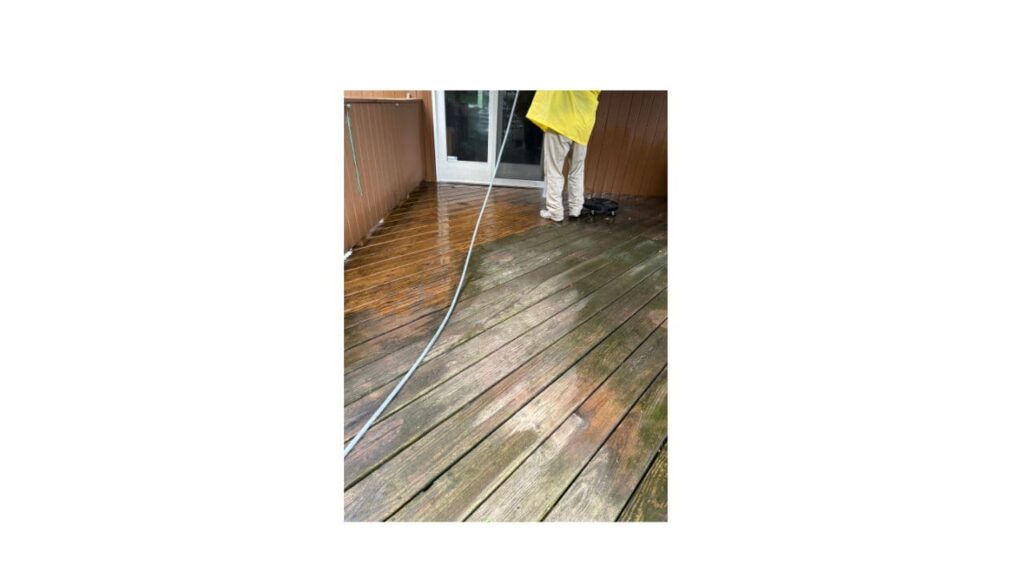
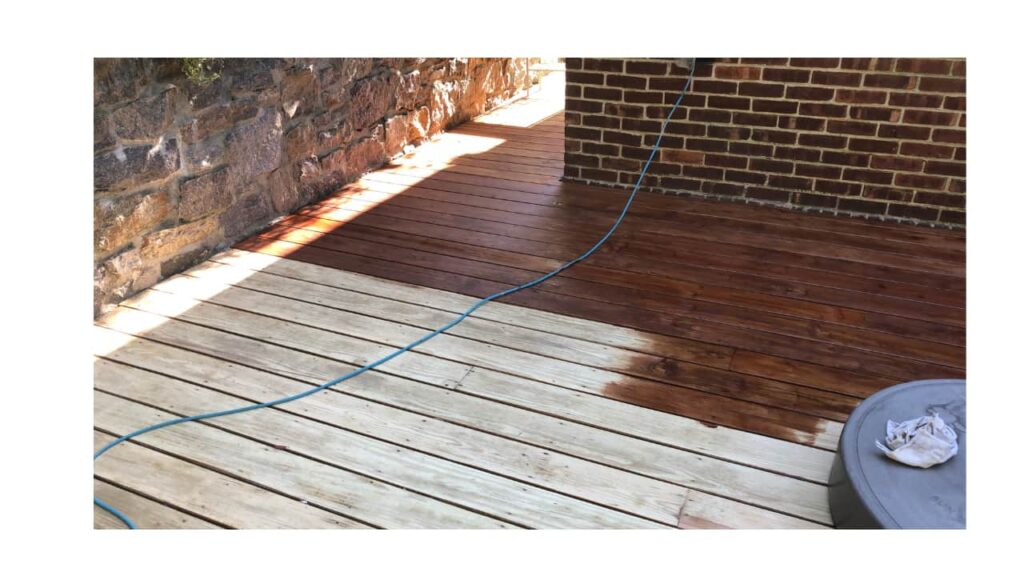
sAre you looking for exterior paint vs. stain for your house — how to choose, what’s best for your siding, colors, or how to apply it? Here’s a clear guide to help you decide and get started.
🏡 Exterior Paint vs. Stain — What’s the Difference?
🖌️ Exterior Paint
- Opaque & solid color — hides wood grain.
- Best for: wood, fiber cement (Hardie board), stucco, masonry, metal — basically most exterior surfaces.
- Pros:
- Strong UV protection.
- Wide color choices.
- Great for covering imperfections.
- Cons:
- Peels over time — needs repainting every 7–15 years (depending on climate & prep).
- Requires good surface prep.
🎨 Exterior Stain
- Transparent to semi-transparent — lets grain show.
- Best for: natural wood siding, cedar shakes, log homes, fences, decks.
- Pros:
- Enhances wood grain.
- Penetrates wood — can last long if maintained.
- Fades more naturally than peeling paint.
- Cons:
- Less dramatic color options.
- Doesn’t cover flaws like paint does.
🧰 Choosing the Right Finish
Here’s how to choose based on your home:
| Surface Type | Best Option |
|---|---|
| Wood siding (cedar, pine) | Stain (semi-transparent or solid stain) |
| Fiber-cement board | Paint |
| Stucco | Paint |
| Brick | Paint (or clear masonry stain) |
| Log home | Stain |
Note: “Solid stain” behaves much more like paint — opaque and protective — but with some advantages of stain.
🎨 Color & Style Tips
- Match your home style: Traditional homes often look great in muted, classic colors; modern homes can go bold.
- Consider trim contrast: A lighter trim color against a darker body adds depth.
- Test first: Buy sample cans and paint/stain boards to see color in sun & shade.
🪛 Prep & Application Basics
Good prep = long-lasting finish:
- Clean the surface: Remove dirt, mildew, chalking (pressure-wash or scrub).
- Repair damage: Replace rotten wood, caulk gaps.
- Prime (for paint): Use a quality exterior primer for bare wood/repairs.
- Apply in proper conditions:
- Avoid direct hot sun and temperatures below ~50°F (10°C).
- Follow manufacturer’s dry-time directions.
- Tools: Brushes for edges, rollers for large panels, sprayer for speed (back-roll/scrub to ensure adhesion).
🧴 Maintenance
- Paint: Touch up every few years; expect a full repaint every decade or so depending on sun & weather.
- Stain: Re-apply when wood starts to look dry, faded, or water no longer beads on surface — typically 2–5 years for transparent/semi stains.
🏘️ Quick Recommendations (General)
- Neutral, timeless paint: Soft gray, cream, deep charcoal.
- Semi-transparent stain for wood: Natural cedar tones or subtle tints.
- Solid stain: If you want a painted look with easier maintenance on wood.
If you want more specific recommendations,
- Your siding material (wood, fiber cement, brick, etc.)
- Color preferences
- Climate (sunny, humid, cold)
- Budget/timeframe for the project