
manuel z painting home improvement inc. house paint armonk ny
Update your home’s exterior in a small but impactful way with a color scheme designed to make accents stand out. From painted shutters to our favorite hues for garage doors, these tips will help you choose the right exterior accent colors for a unique and beautiful home
Exterior House Accents and Colors for Shutters
Painted shutters are an easy way to add an accent color to your home’s exterior. Create dimension with hues—or go even bolder with colors that sit across from each other on the color wheel. TESTIMONIALS
For visual interest, try using colors, selecting hues for the and shutters that sit next to each other on the color wheel. Here, shutters cool things off against stucco exterior, with bountiful greenery acting as the bridge to the blue-green-yellow color scheme.
If you don’t have shutters, try a pop of color on the exterior window or the .trim
Exterior House Accents and Color Combinations for Shutters and Front Doors
Create a harmonious exterior color scheme with front door paint colors that go perfectly with your shutters and other exterior accents.
If you’re looking . manuelzpaintinghomeimprovementinc.com
to paint your shutters a different color than the front door, consider using hues with a similar undertone. Combinations we love:
Quality best house painting interior exterior
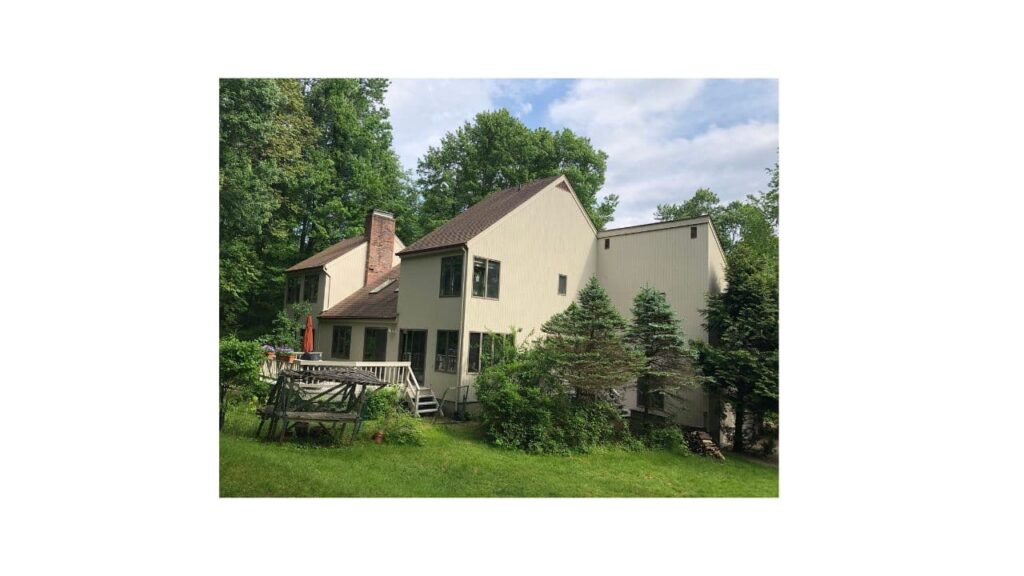
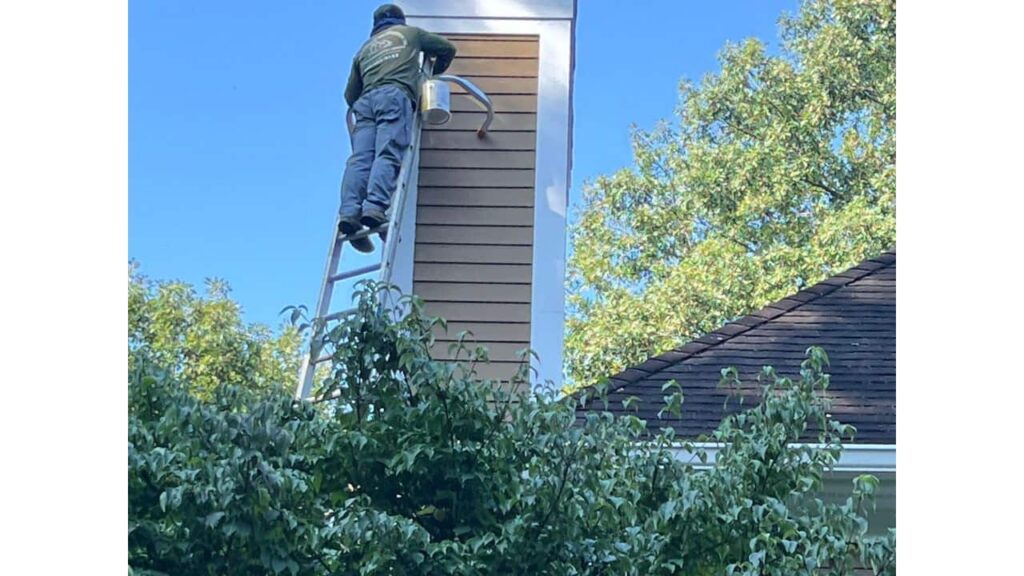
Painting or staining exterior house siding and trim is a great way to refresh your home’s appearance and protect it from the elements. Here’s a step-by-step guide:
Materials You’ll Need
- Exterior paint or stain (high-quality, weather-resistant)
- Primer (if painting bare wood or changing colors)
- Paint sprayer, brushes, and rollers
- Painter’s tape
- Drop cloths
- Ladder or scaffolding
- Pressure washer or hose with scrub brush
- Sandpaper or sanding block
- Caulk and putty (for gaps and cracks)
- Safety gear (gloves, mask, goggles)
Step 1: Prep the Surface
- Clean the siding and trim – Use a pressure washer or a hose with soapy water and a scrub brush to remove dirt, mildew, and grime. Let it dry completely.
- Scrape and sand – Remove loose or peeling paint with a scraper. Sand rough areas for a smooth surface.
- Repair any damage – Fill cracks, holes, and gaps with exterior caulk or wood filler. Allow it to dry.
- Protect surrounding areas – Use painter’s tape and drop cloths to cover windows, doors, and landscaping.
Step 2: Apply Primer (If Needed)
- If painting over bare wood, metal, or changing from a dark to light color, apply a high-quality exterior primer.
- Allow it to dry fully before proceeding.
Step 3: Apply Paint or Stain
For Painting:
- Use a paint sprayer for large areas or a roller for smooth coverage.
- Use a brush for trim and edges.
- Apply at least two coats, allowing drying time between them.
For Staining:
- Use a brush or sprayer to apply an even coat.
- Work in sections to avoid lap marks.
- Apply a second coat if needed for richer color and better protection.
Step 4: Finishing Touches
- Remove painter’s tape carefully.
- Touch up any missed spots.
- Allow paint or stain to cure fully before exposing to heavy moisture.